


Waste is growing every day, and old methods of simply dumping garbage are no longer enough for a healthy future. We need smarter and cleaner solutions that protect the planet. This is exactly what The Green Machine Company is doing by using biotechnology to improve waste treatment in simple, natural, and effective ways. Biotechnology means using natural organisms, microbes, and scientific techniques to break down waste without harming the environment. Modern tools like the organic waste composting machine help turn waste into useful products instead of polluting the land and water.
What Is Biotechnology in Waste Treatment?
Biotechnology in waste treatment uses natural organisms—like bacteria and enzymes—to break down waste in a controlled way. It is like allowing nature to clean up garbage but in a faster and more efficient manner. The Green Machine Company combines these natural methods with advanced systems and machines, such as the organic waste composting machine to treat different types of waste. This helps manage organic waste, plastic waste, wastewater, and landfill waste in a safe and sustainable way.
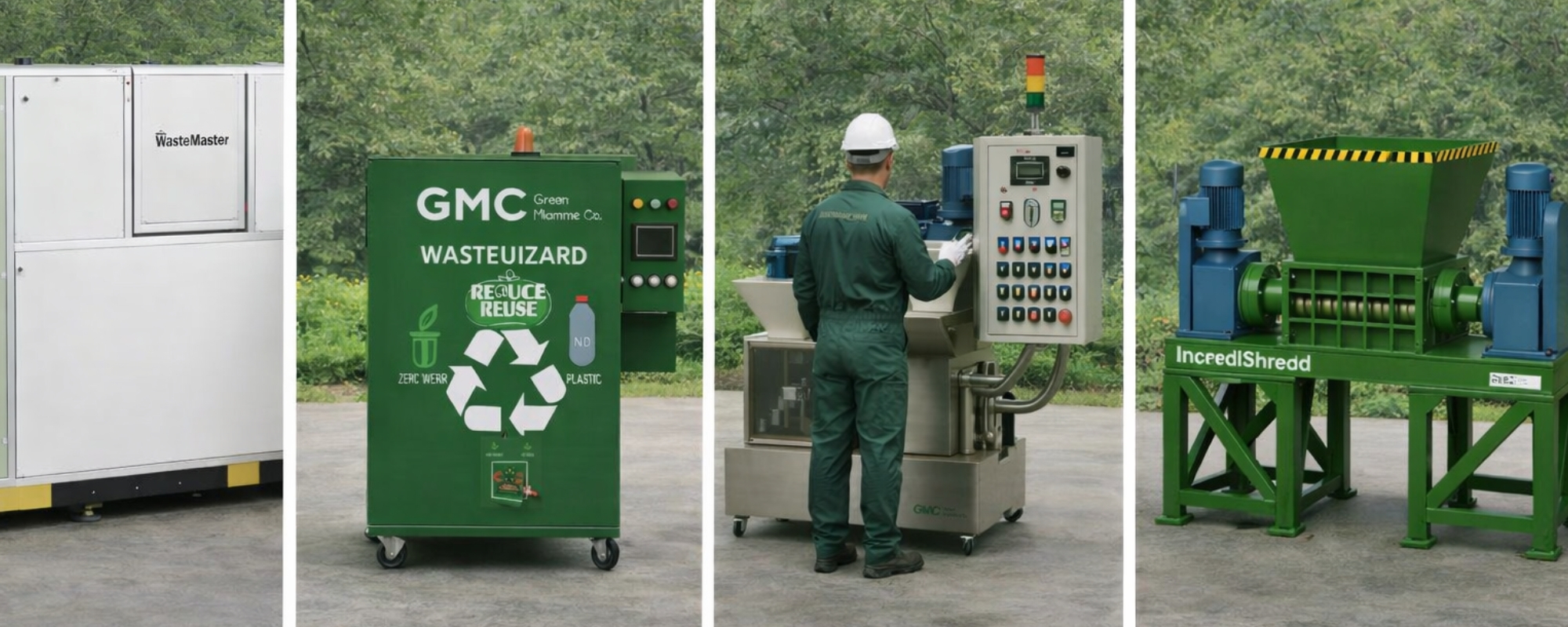
Key Biotechnological Innovations Used by The Green Machine Company
1. Anaerobic Digestion
Aerobic composting is a natural process that uses oxygen-based microorganisms to break down organic material. These microbes actively decompose waste in the presence of air, ensuring efficient and controlled degradation. During the process, heat is generated, which helps eliminate pathogens and speeds up compost formation. The result is rich, nutrient-dense compost suitable for soil enrichment. This method is widely used in an organic waste composting machine for sustainable and eco-friendly waste management.
2. In-vessel Composting
In-vessel composting is a modern method that uses enclosed and carefully controlled systems to manage the composting process efficiently. These systems typically consist of drums or chambers that regulate temperature, moisture, and airflow. The controlled environment allows organic waste to decompose much faster than traditional methods. Odors are effectively minimized, making the process clean and hygienic. This approach is ideal for handling large volumes of waste in limited spaces. It is commonly implemented using an organic waste converter machine for reliable and sustainable waste treatment.
3. Mechanical/Automatic Composting (OWC Machines)
Mechanical or automatic composting using OWC machines is an advanced method designed for efficient organic waste management in institutional settings. The process involves automated shredding of waste to reduce particle size and improve decomposition. Continuous mixing ensures uniform treatment and proper aeration throughout the composting cycle. This system minimizes manual intervention while maintaining hygiene and consistency. It is widely adopted in an organic waste converter machine to deliver fast, reliable, and sustainable composting solutions.
Benefits of Biotechnological Waste Treatment
Biotechnological methods offer many environmental benefits because they release fewer harmful gases and prevent toxic liquids from entering soil and water. When combined with solutions like the organic waste composting machine, they greatly reduce the burden on landfills and support recycling. These methods also save money in the long run. Even if initial setup costs are high, the value created through biogas, compost, and reusable materials provides long-term savings.
Systems like the owc machine help communities manage waste more efficiently and reduce overall expenses. They also create cleaner and healthier neighbourhoods by reducing smell, pests, and pollution. They work well for many types of waste—kitchen waste, sewage, plastic, and industrial waste—and when combined with tools like the organic waste composting machine, they become flexible and scalable for both small and large communities.
Challenges Ahead
Even though biotechnology is promising, it faces challenges such as high initial setup costs, low public awareness, and complicated regulations. Some areas still lack proper waste segregation systems, and many workers need training to use modern technologies correctly. The Green Machine Company is working to solve these issues by spreading awareness, helping communities, and offering affordable waste solutions.
Conclusion
Biotechnological innovations are changing the way we treat waste. With methods like anaerobic digestion, microbial plastic degradation, and advanced systems such as the organic waste converter machine, The Green Machine Company is leading the shift toward cleaner, smarter, and sustainable waste management. As more people learn about and adopt these solutions, our world moves closer to a greener and healthier future.


