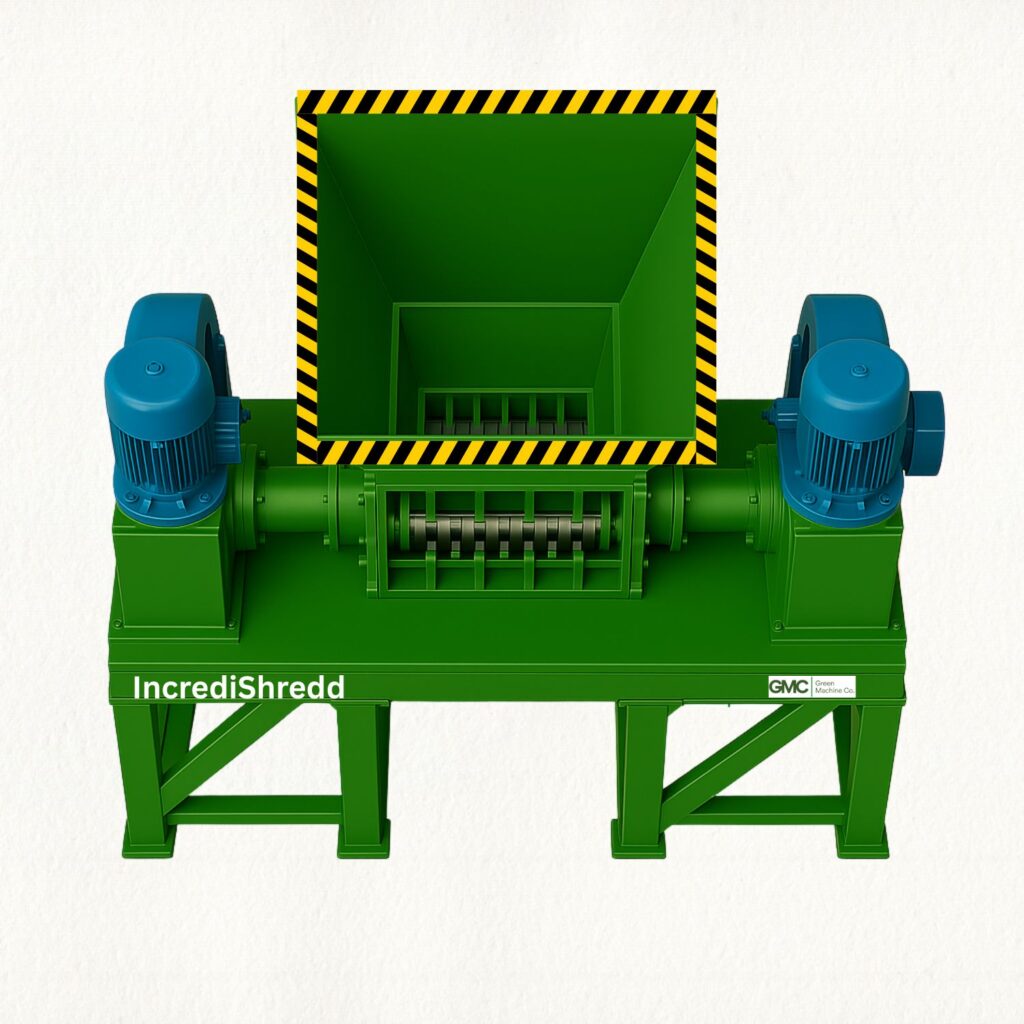


Every day, tonnes of leftover food, vegetable peels, and kitchen scraps go into the garbage bin without a second thought. It feels like a small, harmless act — but what actually happens once that food waste leaves your home, hotel, or housing society and makes the journey through garbage disposal to a landfill? The answer is more damaging than most people realize, and understanding it is the first step toward choosing better alternatives, from a simple food waste disposer in the kitchen to a full-scale food cycler for a housing society or commercial kitchen.
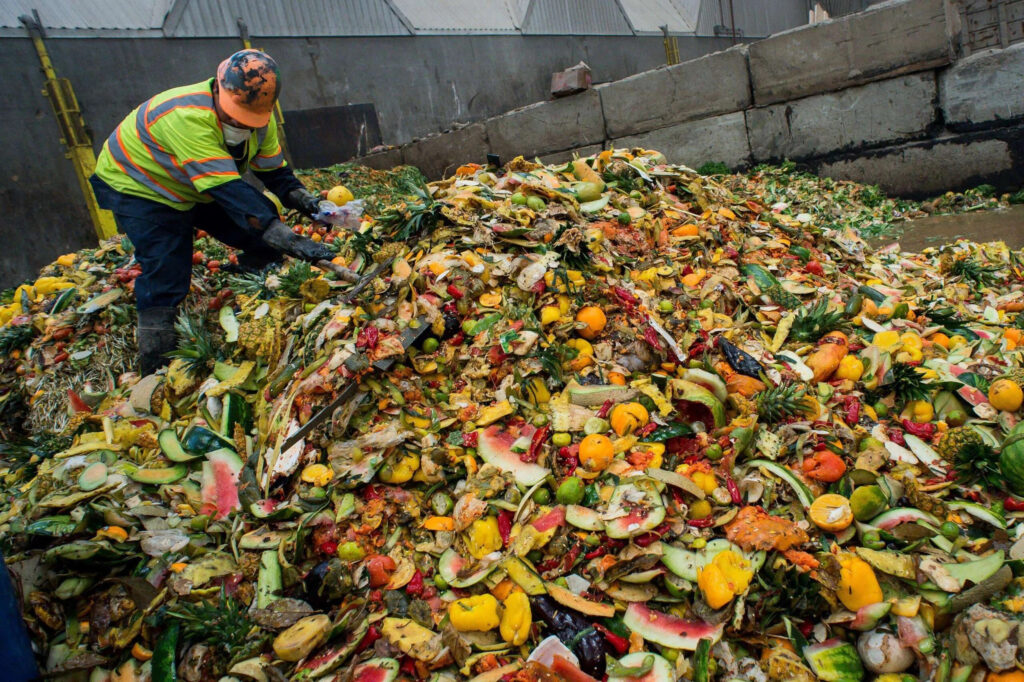
The Journey from Bin to Garbage Dump
When food waste is thrown into a mixed garbage bin, it rarely travels alone. It gets combined with plastics, paper, metal, and other municipal solid waste, and this mixture is collected by municipal trucks and transported to a landfill or garbage dump. In most Indian cities, waste segregation at the source is still inconsistent, which means wet, biodegradable food waste rarely reaches the dump on its own — it arrives tangled up with dry, non-biodegradable material.
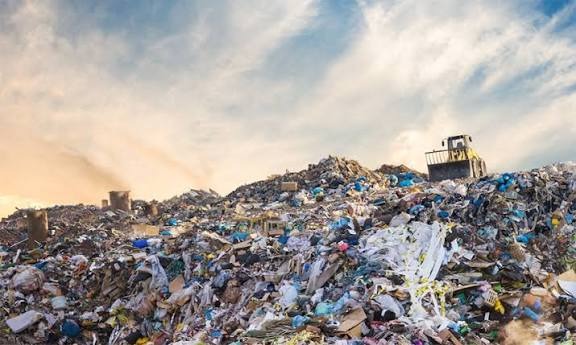
Once at the landfill, the waste is dumped, compacted, and often covered with a layer of soil or other material. This compaction is where the real trouble begins. Unlike a home composting bin, or a modern food cycler, which is designed to let air circulate through organic matter, a landfill buries food waste under tonnes of other garbage, cutting it off almost completely from oxygen.
Why Landfills Can’t “Compost” Food Waste
A common misconception is that food waste breaks down in a landfill the same way it would in a compost pit or a food cycler. It doesn’t. Composting is an aerobic process — it needs oxygen, moisture, and the right mix of organic material to allow beneficial microbes to break waste down efficiently into nutrient-rich compost within days.
A landfill, by contrast, is an anaerobic environment. Once buried under layers of compacted garbage, food waste is starved of oxygen almost immediately. Instead of the clean, oxygen-based decomposition that happens during composting, the waste undergoes anaerobic decomposition, a much slower and dirtier process driven by a different set of bacteria. This is the core reason landfilling food waste is fundamentally different from, and far worse than, processing it through composting or a food waste disposer system.
The Methane Problem
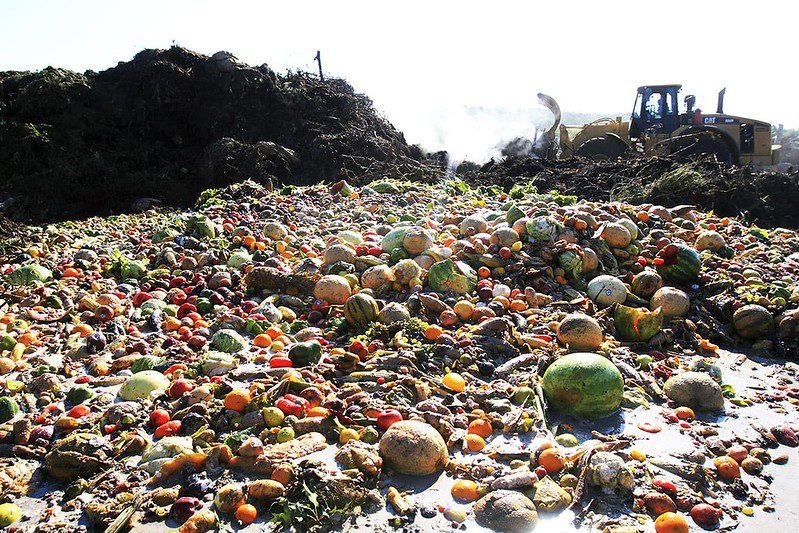
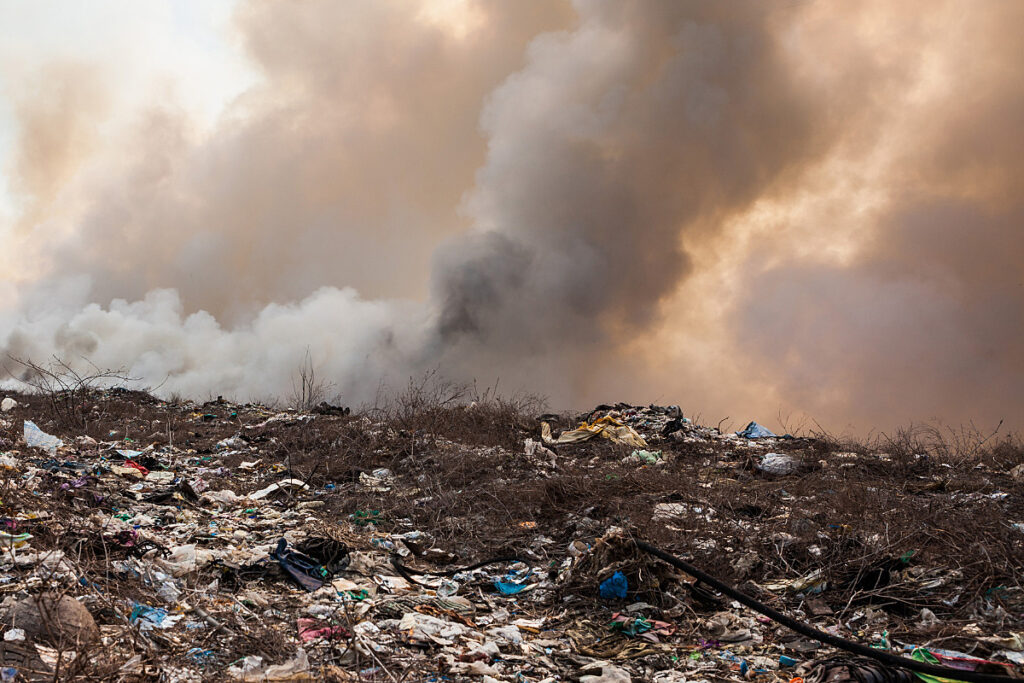
Anaerobic decomposition doesn’t just take longer — it produces methane, a greenhouse gas that is dramatically more potent than carbon dioxide. Over a 20-year period, methane traps roughly 80 times more heat in the atmosphere than an equivalent amount of CO2.
The scale of this problem is significant. Food waste is one of the largest single contributors to landfill methane. In the United States, for example, food waste makes up close to a quarter of all municipal solid waste sent to landfills, yet it is responsible for the majority — well over half — of the fugitive methane that escapes from landfills into the atmosphere. That disproportionate impact comes down to one simple fact: food waste decomposes faster than almost anything else in a garbage dump, so it generates methane sooner and in larger volumes.
Globally, landfills are among the largest sources of human-caused methane emissions, and food waste is consistently identified as the primary driver within that category. Even landfills equipped with modern gas-capture systems only manage to trap a portion of this methane — capture efficiency at well-managed sites typically ranges between 75% and 85%, meaning a meaningful share of what’s generated still escapes directly into the atmosphere. And this isn’t a short-lived process. Methane generation from a single load of landfilled food waste can continue for two to three decades after it’s buried, long after the site itself may have stopped receiving waste.
The Leachate Problem
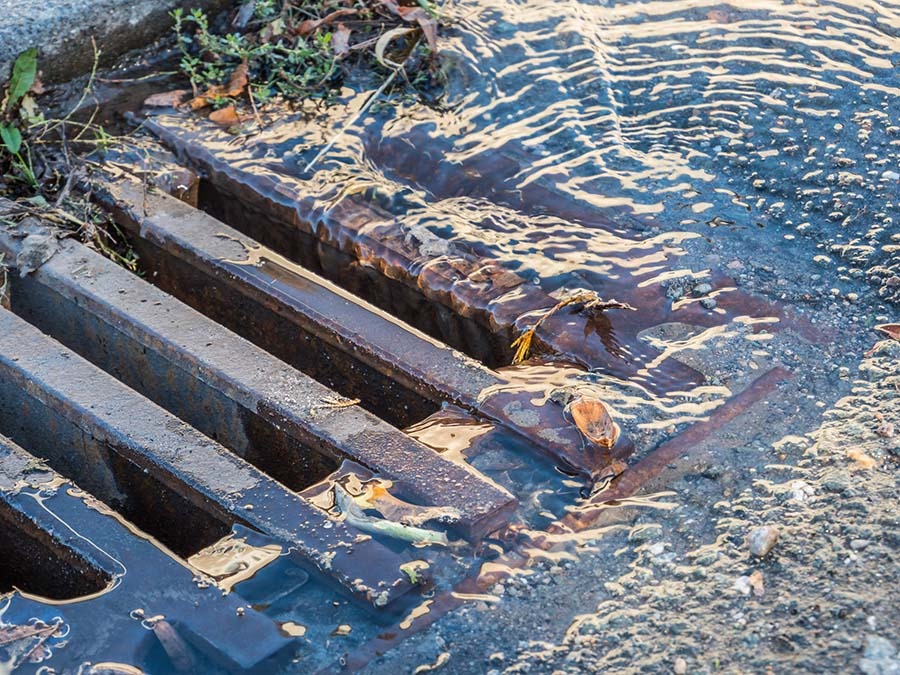
Methane isn’t the only byproduct of decomposing food waste in a landfill. As organic material breaks down, it releases moisture that mixes with rainwater percolating through the waste layers, along with chemicals from other buried garbage. This toxic liquid is called leachate, and it is one of the most serious environmental hazards associated with any garbage dump.
Leachate is acidic, corrosive, and loaded with pollutants — high concentrations of dissolved solids, heavy metals, and organic contaminants. Studies examining landfill sites in India have found leachate samples with extremely high levels of dissolved elements and electrical conductivity, along with the presence of harmful bacteria. Without proper lining and treatment systems, leachate seeps into the surrounding soil and groundwater, contaminating drinking water sources and harming aquatic ecosystems near the site.
This is a particularly serious concern in India, where a large number of landfill and dumping sites operate without proper engineering, liners, or leachate treatment infrastructure, allowing this toxic liquid to spread largely unchecked into the surrounding environment.
The Scale of the Problem in India
India’s waste management challenge is enormous and growing. The country generates over 60 million tonnes of municipal solid waste every year, a figure that is projected to climb sharply as urbanization accelerates. While garbage collection efficiency across Indian cities has improved significantly, scientific treatment of that waste — meaning composting, recycling, or processing rather than dumping — still covers only about half of what’s collected.
The result is that a huge share of India’s garbage, including enormous volumes of food waste, ends up in landfills or informal dumping grounds. Many of these sites were never engineered as proper sanitary landfills; they’re simply large, uncontrolled dumps that have grown over decades without gas collection systems, leachate treatment, or protective liners. Cities like Delhi, Mumbai, and Bengaluru are now home to some of the largest and most notorious garbage mountains in the world, several of which are taller than nearby buildings and still growing.
Beyond Methane and Leachate: Other Impacts
The consequences of sending food waste to a landfill extend beyond greenhouse gases and water contamination:
Air quality and odor: Decomposing food waste releases foul-smelling gases and attracts pests, creating health and hygiene concerns for communities living near dump sites.
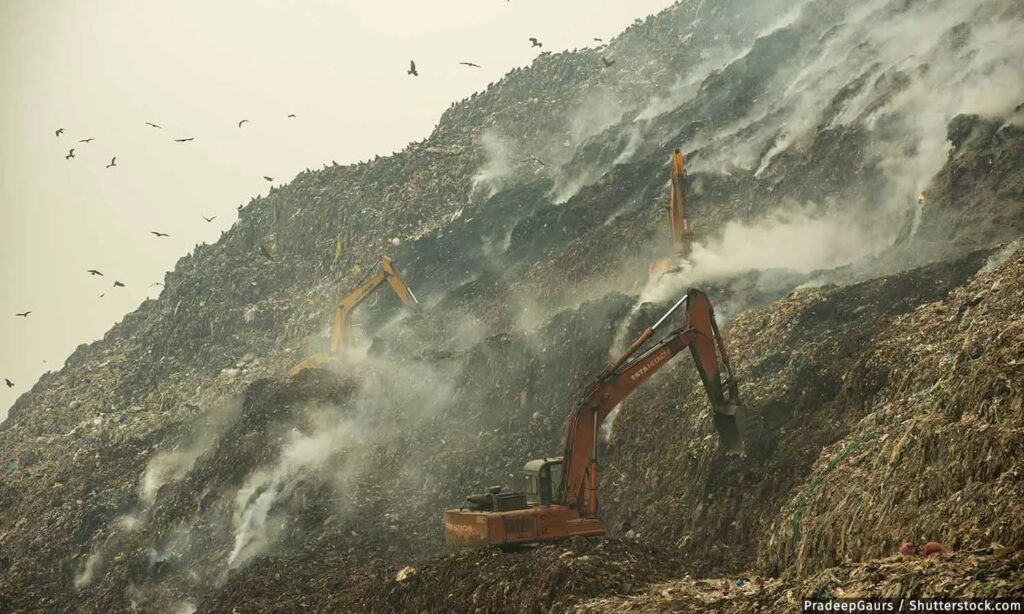
Land use: Landfills consume enormous amounts of land — space that becomes unusable for anything else for decades, even after the site is officially closed, since it continues to settle, off-gas, and leach for years.
Wasted resources: Every bit of food that ends up in a landfill also represents wasted water, energy, fertilizer, and labor that went into growing, processing, and transporting it in the first place.
Fire risk: The methane and other gases generated within landfills are flammable, and landfill fires — difficult to detect early and even harder to extinguish — have become an increasingly common occurrence at overloaded dump sites.
Why Diverting Food Waste Matters
Given how disproportionately damaging landfilled food waste is compared to other garbage, diverting it away from landfills is one of the most effective actions available for reducing both local environmental damage and greenhouse gas emissions. Unlike many climate interventions that take decades to show results, keeping food waste out of landfills has a fast payoff — because it generates methane quickly, preventing it from being landfilled in the first place avoids a large chunk of near-term emissions.
The good news is that alternatives to landfilling and traditional garbage disposal are well understood and increasingly accessible:
- Composting channels food waste through a controlled, aerobic process that avoids methane generation almost entirely and produces a genuinely useful end product — nutrient-rich compost — instead of a byproduct that needs to be managed as a hazard.
- Food cyclers and food waste disposers bring this process indoors, at the source. Rather than relying on municipal garbage disposal to carry kitchen waste all the way to a dump, these machines break down or dehydrate food scraps on-site, often within hours, dramatically reducing both volume and odor before it ever leaves the premises.
- Biomethanation deliberately captures the methane produced during anaerobic digestion and converts it into usable biogas or electricity, turning a liability into an energy resource. Several Indian cities have already set up plants that convert wet waste into bio-CNG at scale.
- Source segregation — simply separating wet, biodegradable waste from dry waste at the point of generation — makes every downstream option, from composting to biomethanation, dramatically more effective and less costly.
Where On-Site Processing Fits In
For housing societies, hotels, commercial kitchens, and municipal bodies generating significant volumes of food waste daily, on-site processing has become an increasingly practical option, rather than relying entirely on municipal collection and disposal that often ends at a landfill. This is the gap that companies like TGMC (The Green Machine Co.) are built to address. TGMC designs and manufactures organic waste management machines — from compact food waste composters and dehydrators to large-scale dewatering and composting systems — engineered for residential complexes, hotels, restaurants, commercial kitchens, and municipal bodies handling anywhere from 10 kg to 2,000 kg of waste per day.
Instead of sending kitchen scraps and food waste straight into the garbage disposal stream that ends at a dump, a facility can process it on-site, converting it into compost within 24–48 hours in many cases, cutting down on landfill dependence, transportation costs, and odor issues, while also supporting compliance with India’s Solid Waste Management Rules for bulk waste generators. It’s a practical illustration of how the same organic material that would otherwise sit in a landfill generating methane for decades can instead be turned into something useful in a matter of hours.
The Bottom Line
Food waste sent to a landfill doesn’t simply disappear — it enters a slow, largely invisible process that generates methane for decades, produces toxic leachate that threatens groundwater, and occupies land that will remain unusable for generations. In a country like India, where landfill infrastructure is often under-engineered and waste volumes are growing rapidly, the stakes of this problem are especially high.
Understanding this journey is the first step toward change. Whether it happens through better source segregation, a household food cycler, an on-site food waste disposer, or investment in a proper organic waste management system, keeping food waste out of the garbage dump is one of the most impactful and achievable steps individuals, businesses, and cities can take toward a cleaner, more sustainable future.