


The Science of Composting: How Organic Waste Breaks Down
Every day, households, restaurants, hotels, and institutions generate tons of organic waste — vegetable peels, leftover food, garden trimmings, and more. Most of it ends up in landfills, where it rots slowly, releases methane, and contributes to climate change. Yet the very same waste, when processed correctly, can become one of the most valuable resources for soil and agriculture: compost.

Composting isn’t just “letting waste rot.” It’s a precise biological process governed by microbiology, chemistry, and environmental science. Understanding how organic waste actually breaks down helps explain why composting works, why it sometimes fails, and why modern tools like a composter machine have become essential for consistent, odor-free results.
In this blog, we’ll break down the science behind composting step by step — and then look at how technology is making this ancient practice faster, cleaner, and more scalable than ever.
What Is Composting, Really?
At its core, composting is the controlled decomposition of organic matter by microorganisms — bacteria, fungi, and other decomposers — into a stable, nutrient-rich material called compost or humus. Unlike waste simply left to rot in a landfill (which decomposes anaerobically and releases methane, a potent greenhouse gas), composting is typically an aerobic process, meaning it happens in the presence of oxygen.
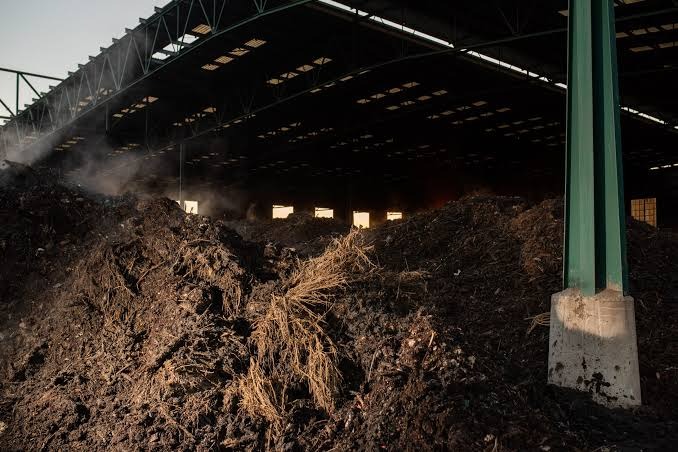
This distinction matters enormously. Aerobic decomposition is faster, more odor-controlled, and produces carbon dioxide and water instead of methane — making composting one of the most effective ways to reduce the environmental footprint of organic waste.
The Building Blocks: What Organic Waste Contains
Organic waste — whether it’s vegetable scraps, food leftovers, garden clippings, or agricultural residue — is made up of complex organic compounds:
- Carbohydrates (sugars, starches, cellulose)
- Proteins (from food scraps, dairy, and plant matter)
- Fats and lipids
- Lignin (found in woody or fibrous plant material)
- Water (a major component of most organic waste)
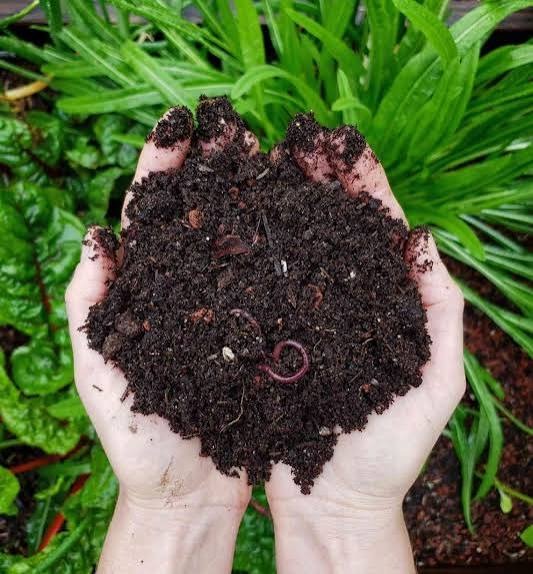
These compounds are essentially stored energy and nutrients. Composting is the process of unlocking that stored energy through microbial digestion, converting complex molecules into simpler, plant-available nutrients like nitrogen, phosphorus, and potassium.
The Four Stages of Decomposition
Composting isn’t a single event — it unfolds in distinct biological stages, each dominated by different organisms and temperature ranges.
1. Mesophilic Phase (Initial Breakdown)
When organic waste is first collected and begins composting, mesophilic bacteria and fungi — organisms that thrive at moderate temperatures (20–45°C) — start breaking down the easily digestible compounds like sugars and proteins. This activity generates heat as a byproduct of microbial metabolism, and the pile’s internal temperature begins to rise.
2. Thermophilic Phase (The Heat Peak)
As microbial activity intensifies, temperatures can climb to 45–70°C. This is the thermophilic phase, dominated by heat-loving bacteria that break down tougher materials like cellulose and hemicellulose. This high-heat stage is critical because it kills pathogens, weed seeds, and fly larvae, making the resulting compost safe to use. This is also the phase where decomposition happens fastest.
3. Cooling Phase
Once the readily available food sources are consumed, microbial activity slows, and temperatures gradually drop back toward mesophilic levels. Fungi and actinomycetes (a type of filamentous bacteria) become more active here, breaking down remaining tough materials like lignin.
4. Curing/Maturation Phase
The final stage is maturation, where the compost stabilizes. Complex organic molecules are further transformed into humus — a dark, crumbly, nutrient-dense material. This phase can take several weeks in traditional composting, though it’s dramatically shortened with mechanical composting systems.
The Key Factors That Control Decomposition Speed
Several variables determine how quickly and effectively organic waste breaks down:
Carbon-to-Nitrogen (C:N) Ratio Microorganisms need both carbon (energy source) and nitrogen (for growth and reproduction) in the right balance — ideally around 25–30:1. Too much carbon (dry leaves, cardboard) slows decomposition; too much nitrogen (food scraps, grass clippings) can cause foul odors and excess ammonia.
Oxygen Levels Aerobic microbes need consistent airflow. Without enough oxygen, the pile turns anaerobic, slowing decomposition and producing unpleasant smells like rotten-egg odor (hydrogen sulfide) instead of the earthy scent of healthy compost.
Moisture Content Ideal compost moisture sits around 50–60% — damp like a wrung-out sponge. Too dry, and microbial activity stalls; too wet, and oxygen gets squeezed out, leading to anaerobic conditions.
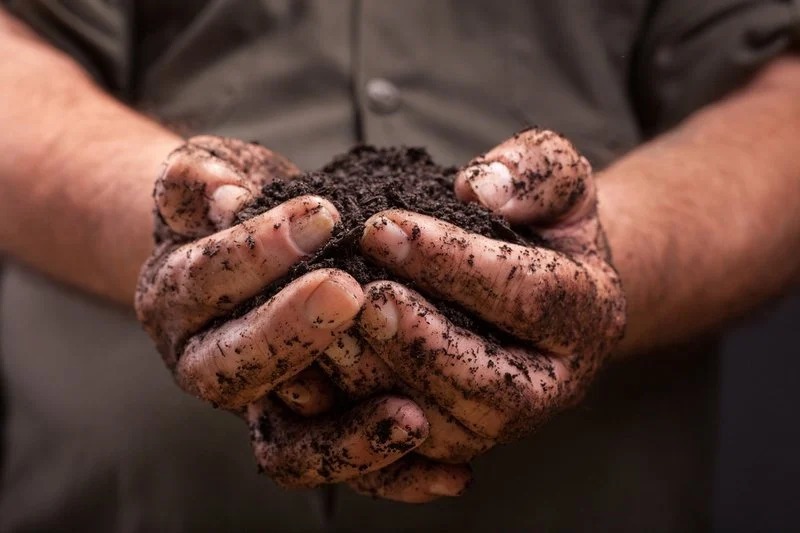
Particle Size Smaller waste particles have more surface area for microbes to attack, which is why shredding or chopping organic waste before composting significantly speeds up the process.
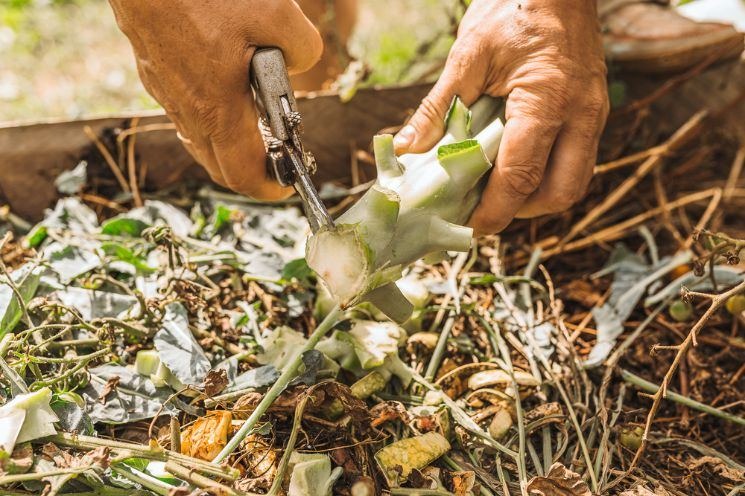
Temperature As discussed above, temperature both drives and reflects microbial activity. Maintaining optimal temperature ranges is one of the biggest challenges in traditional, unmanaged composting.
Why Traditional Composting Struggles at Scale
Understanding this science reveals why backyard or pit composting — while great for small-scale use — often falls short for hotels, housing societies, restaurants, and institutions generating significant daily organic waste:
- Inconsistent aeration leads to odor and slow breakdown
- Manual turning is labor-intensive and hard to maintain
- Unregulated temperature can allow pathogens to survive
- Space and time constraints make traditional composting impractical for high-volume waste generators
- Pest attraction from improperly managed piles creates hygiene issues
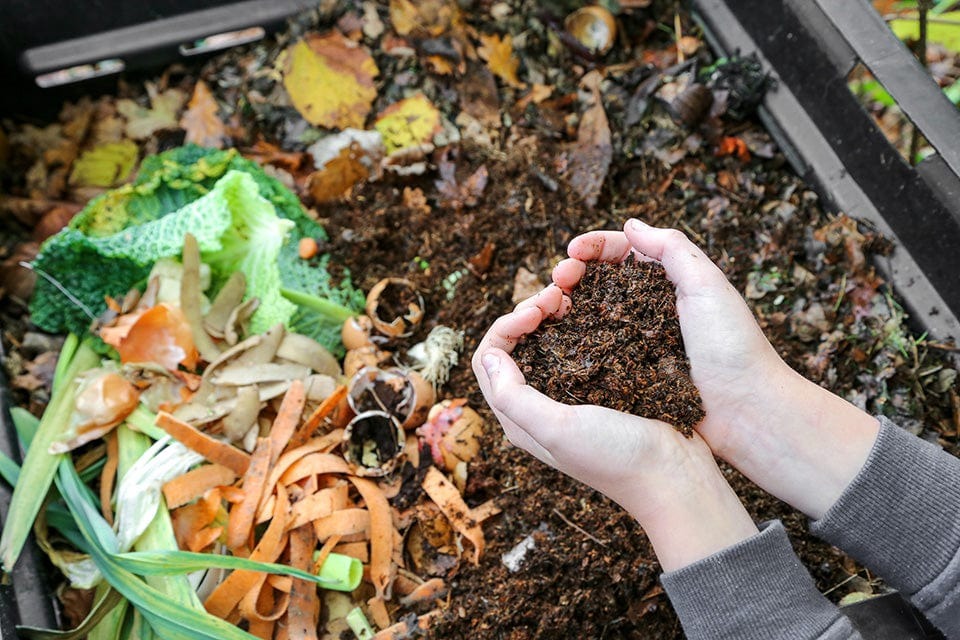
This is precisely where modern composting technology bridges the gap between the natural science of decomposition and the practical needs of businesses and communities.
How a Composter Machine Applies the Science
A composter machine is essentially an engineered environment that optimizes every factor discussed above — oxygen supply, moisture, temperature, and particle size — to accelerate and control decomposition scientifically rather than leaving it to chance.
Instead of waiting weeks or months for organic waste to break down naturally, mechanical composting systems use:
- Controlled aeration to maintain aerobic conditions throughout the process
- Consistent mixing to distribute microbial activity evenly and prevent cold spots
- Regulated temperature and moisture to keep decomposition in the optimal thermophilic range
- Shredding or size-reduction to increase surface area and speed up microbial breakdown
- Odor and leachate management systems to keep the process clean and hygienic
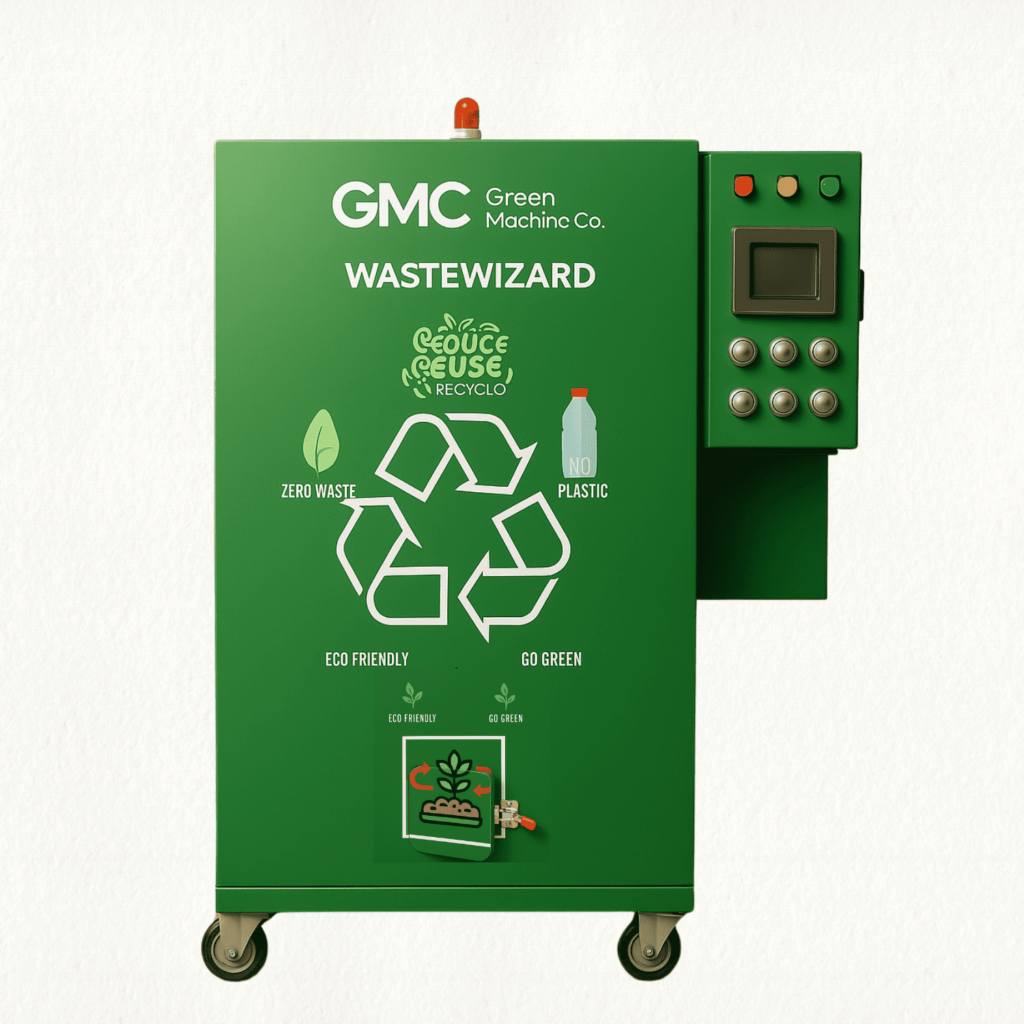
The result is compost produced in a fraction of the time — often days instead of months — with far greater consistency and far less manual effort.
The Environmental and Economic Case for Composting
Beyond the chemistry, composting organic waste at the source offers tangible benefits:
- Reduces landfill methane emissions, since aerobic composting prevents the anaerobic conditions that generate this greenhouse gas
- Cuts waste transportation and disposal costs for businesses and institutions
- Produces nutrient-rich soil supplement that supports gardens, landscaping, and agriculture
- Supports circular economy practices, turning a waste liability into a usable resource

For any organization generating consistent volumes of food or organic waste — hotels, restaurants, housing societies, corporate campuses, or municipalities — on-site composting isn’t just an environmental choice; it’s an operational and financial one too.
Turning the Science Into Practice with The Green Machine Company
Understanding the science of composting is one thing — implementing it efficiently, day after day, at scale, is another. That’s exactly the gap The Green Machine Company (TGMC) was built to close.
TGMC’s Composter Machine is engineered around the same biological principles outlined above — oxygen control, temperature management, moisture balance, and particle reduction — but automates them so organizations don’t have to manage the science manually. Designed for homes, hotels, restaurants, housing societies, institutions, and commercial facilities, the machine converts organic waste into nutrient-rich compost quickly, hygienically, and with minimal manual intervention.
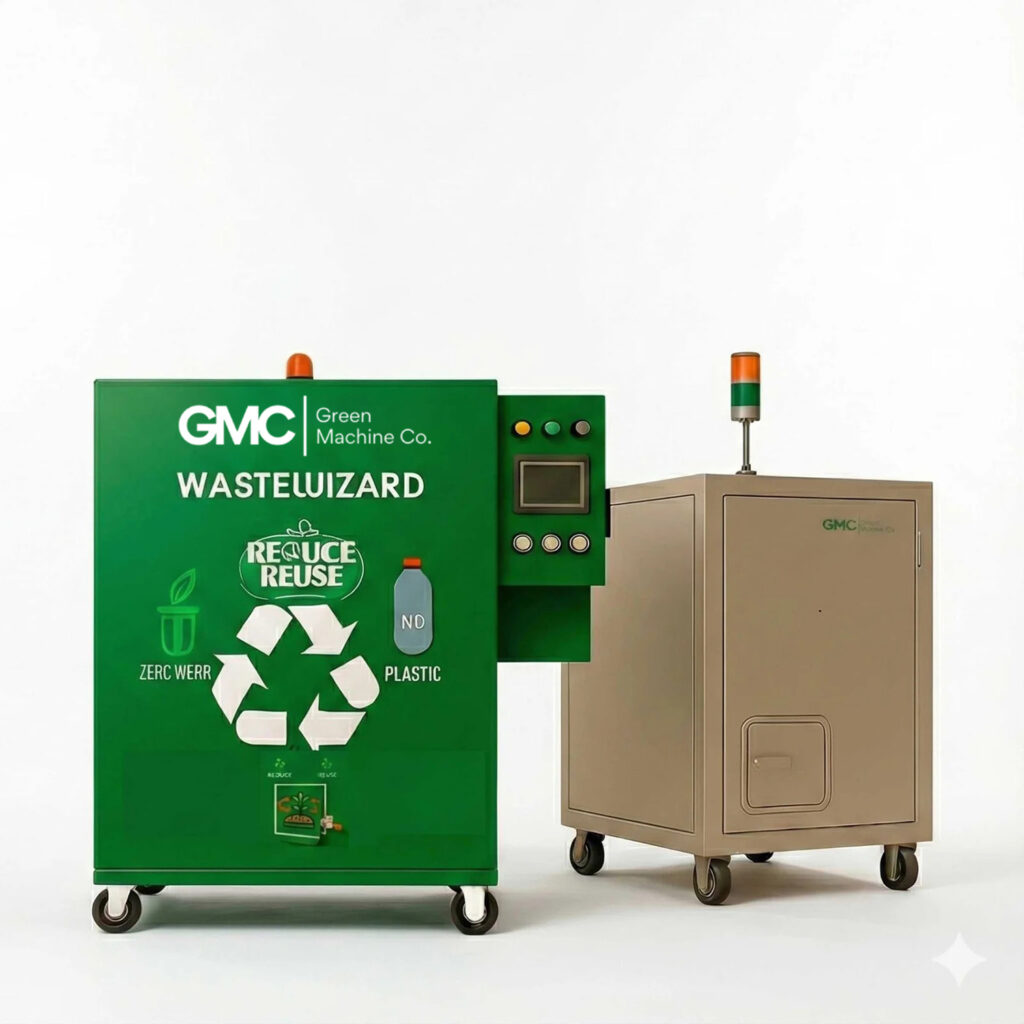
Some of what makes it effective:
- Semi-automatic or fully automatic operation, adaptable to different space and workflow needs
- Odor-free composting, thanks to built-in ventilation and bio-filtration systems
- Rapid composting, powered by high-efficiency microbial technology that speeds up decomposition
- User-friendly digital controls for easy monitoring and operation
- Energy-efficient performance, keeping operational costs low
- Compact, modular, and scalable design, suited to everything from housing societies to large industrial operations
The machine handles a wide range of organic waste streams — from vegetable peels and leftover food to bakery waste, eggshells, garden leaves, and even meat, fish, and poultry scraps — converting them into usable compost while cutting disposal costs, reducing carbon footprint, and supporting circular economy goals.
Final Thoughts
Composting is a genuinely fascinating intersection of biology and chemistry — a process where billions of microorganisms work together to transform waste into one of nature’s most valuable resources. But scaling that natural process to meet the needs of modern households, businesses, and institutions requires more than patience; it requires the right technology.
By combining an understanding of how organic waste breaks down with purpose-built solutions like TGMC’s composter machine, organizations can turn everyday waste management into a genuinely sustainable, cost-effective practice — one batch of compost at a time.
Ready to turn your organic waste into a resource? Explore TGMC’s Composter Machine or get in touch to find the right composting solution for your space.


