


Introduction
In our modern society, waste generation is inevitable. Every household, business, and industry produces waste daily, creating a significant challenge for environmental management and public health. While most discussions about waste management focus on reducing, reusing, and recycling solid materials, there’s a silent threat lurking beneath landfills and waste disposal sites: leachate. This liquid byproduct of decomposing waste poses serious environmental and health risks that every community must address. Understanding what leachate is and why it matters is crucial for developing effective waste management strategies.
What Is Leachate?
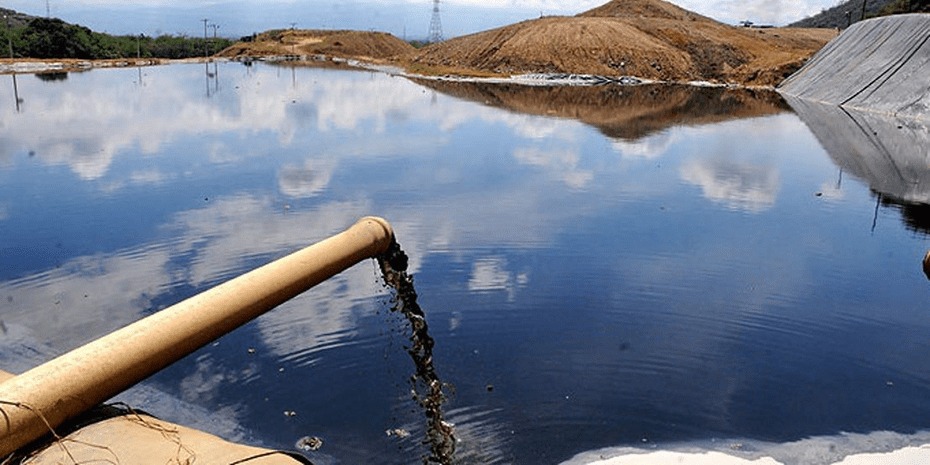
Leachate is essentially liquid waste that percolates through solid refuse in landfills or waste disposal sites. When rainwater or other moisture passes through layers of decomposing waste, it picks up pollutants, chemicals, and contaminants, forming a toxic solution. This dark, often foul-smelling liquid contains a complex mixture of organic compounds, heavy metals, salts, and microbial pathogens from the waste.
How Leachate Forms
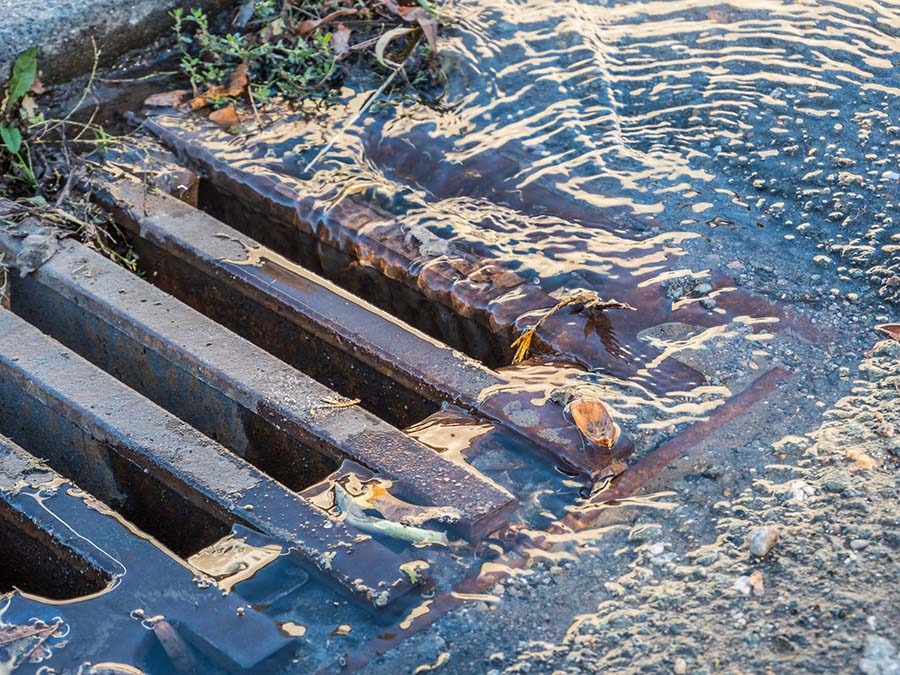
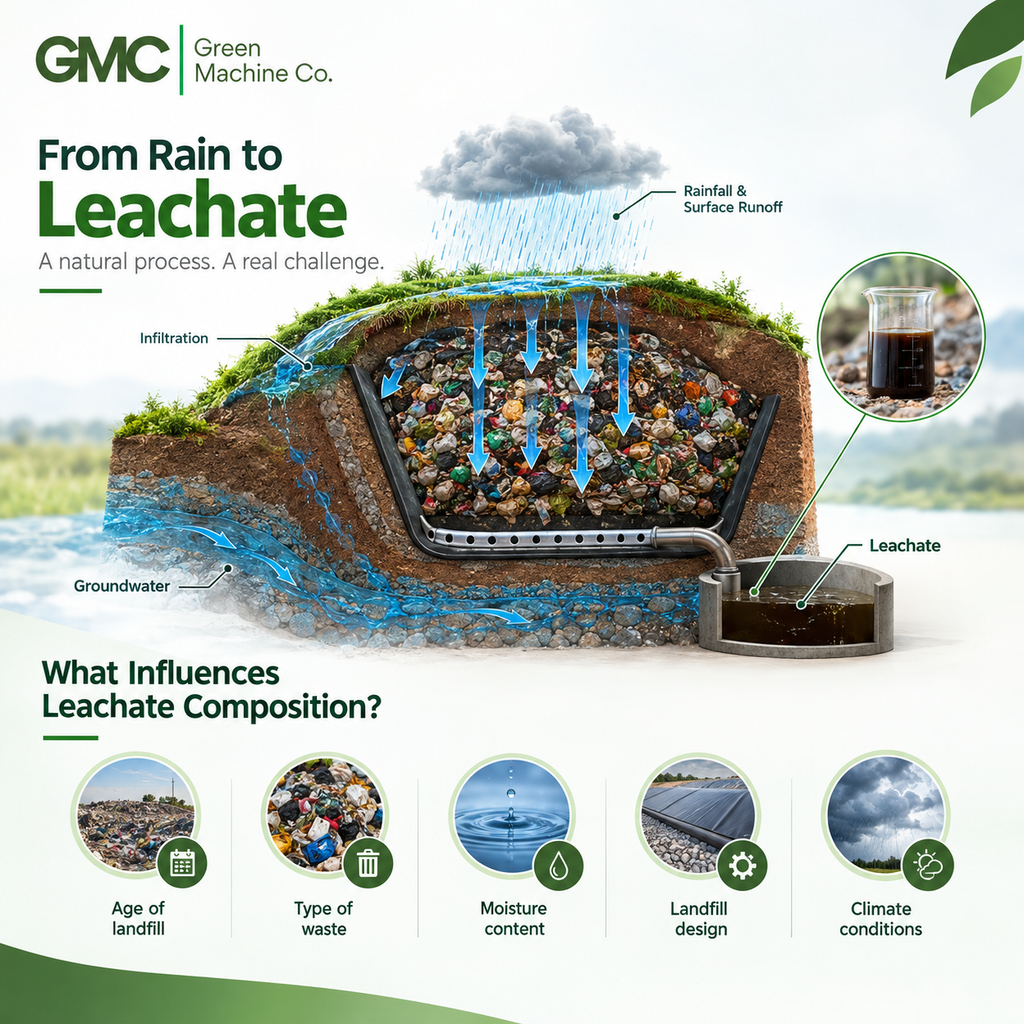
The formation of leachate is a natural consequence of moisture movement through waste materials. When water—whether from rainfall, surface runoff, or groundwater—infiltrates a landfill or waste disposal facility, it comes into contact with decomposing organic matter and other waste materials. As this water percolates downward, it dissolves and carries away various substances, creating the characteristic toxic brew we call leachate.
The composition of leachate varies depending on several factors:
- Age of the landfill: Younger landfills produce stronger leachate with higher concentrations of organic compounds
- Type of waste: Different waste streams contribute different contaminants
- Moisture content: More water accelerates leachate generation
- Landfill design: Proper engineering can minimize leachate production
- Climate conditions: Rainfall and humidity levels directly impact liquid waste disposal challenges
The Composition of Leachate: Understanding the Contamination
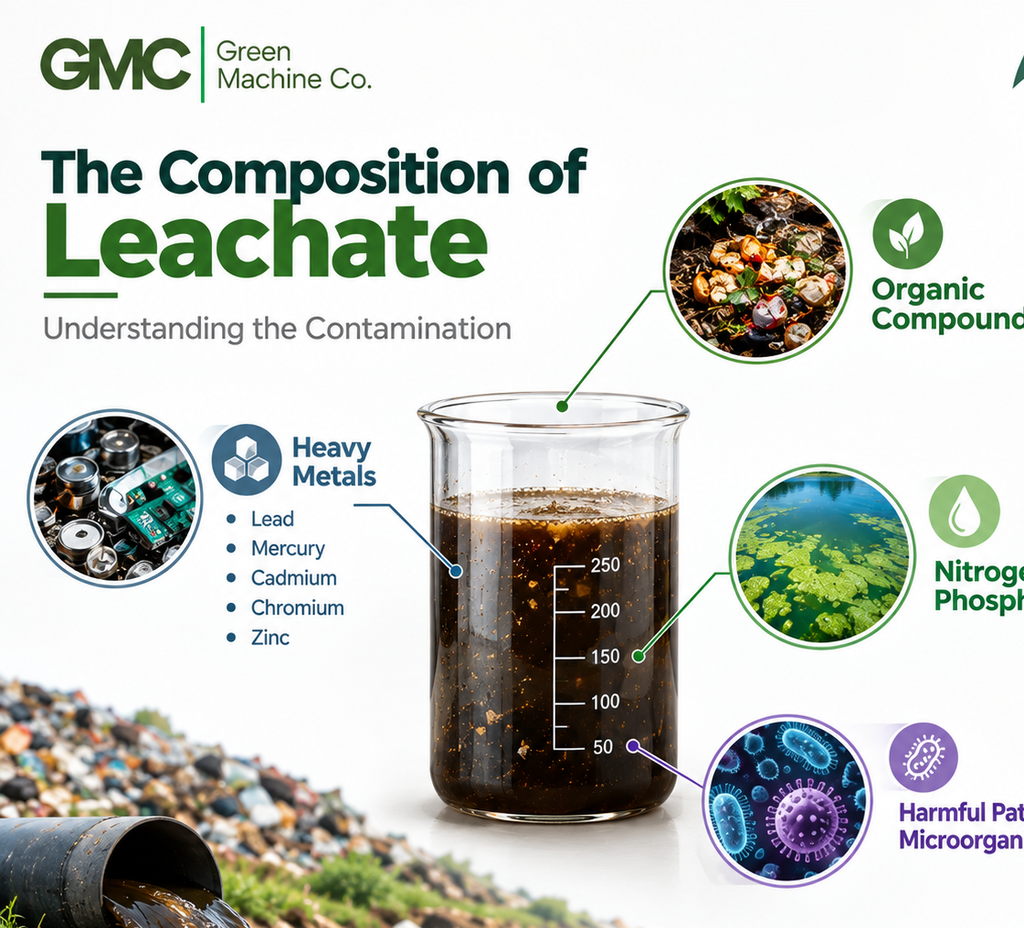
Leachate is not simply dirty water; it’s a sophisticated cocktail of pollutants that can remain hazardous for decades. Understanding its composition is essential to grasping why it presents such a significant challenge in waste management.
Organic Compounds
Decomposing organic waste generates volatile fatty acids, aromatic compounds, and other biodegradable organic matter. These substances can promote bacterial growth and consume oxygen in aquatic ecosystems, creating dead zones where aquatic life cannot survive.
Heavy Metals
Batteries, electronics, paints, and other hazardous waste items contribute heavy metals to leachate, including:
- Lead
- Mercury
- Cadmium
- Chromium
- Zinc
These metals are particularly dangerous because they bioaccumulate in living organisms, becoming more concentrated as they move up the food chain.
Nitrogen and Phosphorus
These nutrients can trigger eutrophication in water bodies, leading to algal blooms and oxygen depletion—devastating aquatic ecosystems.
Harmful Pathogens and Microorganisms
Leachate from landfills containing medical waste or sanitary materials can harbor dangerous bacteria, viruses, and parasites.
Why Is Leachate a Problem in Waste Management?
The challenges posed by leachate extend far beyond the landfill site itself. Here’s why it represents such a critical problem in modern waste management:
1. Groundwater Contamination
The most pressing concern with leachate is its potential to contaminate groundwater supplies. Once leachate infiltrates through soil layers, it can reach aquifers that serve as drinking water sources for millions of people. Even trace amounts of certain contaminants can render groundwater unsafe for human consumption. In regions lacking robust water treatment infrastructure, groundwater contamination from poor liquid waste disposal practices creates a public health crisis.
2. Surface Water Pollution
Leachate doesn’t always seep downward. In many cases, it flows into nearby streams, rivers, and lakes, introducing toxic contaminants into surface water ecosystems. This not only harms fish and aquatic plants but also threatens drinking water supplies downstream.
3. Long-term Environmental Persistence
Many contaminants in leachate—particularly heavy metals and persistent organic pollutants—remain hazardous for decades or even centuries. This means that poor waste management decisions today create environmental problems for future generations. Even after a landfill closes, leachate production can continue for 20-30 years or longer.
4. Soil Contamination and Bioaccumulation
When leachate seeps through soil, it deposits contaminants that can accumulate over time. Plants absorb these pollutants, which then enter the food chain when animals consume the plants. This bioaccumulation process can concentrate toxins to dangerous levels.
5. Cost and Complexity of Treatment
Managing leachate requires sophisticated treatment systems, which adds substantially to waste management costs. Treatment involves multiple stages including settling, biological treatment, chemical processes, and potentially advanced oxidation—all expensive and energy-intensive procedures.
6. Liability and Regulatory Challenges
Modern waste management regulations in most developed countries require comprehensive leachate management systems. Failure to properly manage leachate can result in:
- Significant fines and penalties
- Legal liability for environmental damage
- Community health lawsuits
- Loss of operating permits
7. Aesthetic and Odor Issues
Leachate production contributes to foul odors at waste disposal sites, affecting air quality and quality of life in surrounding communities. The visual impact of leachate can also erode community trust in local waste management practices.
Current Approaches to Leachate Management
Modern waste management practices have evolved to minimize leachate generation and safely handle what is produced:
Landfill Design and Engineering
State-of-the-art landfills incorporate multiple protective layers:
- Impermeable liners (usually plastic or clay) to prevent downward infiltration
- Leachate collection systems that capture liquid before it can migrate
- Drainage layers that direct leachate to collection points
- Proper slope design to facilitate drainage
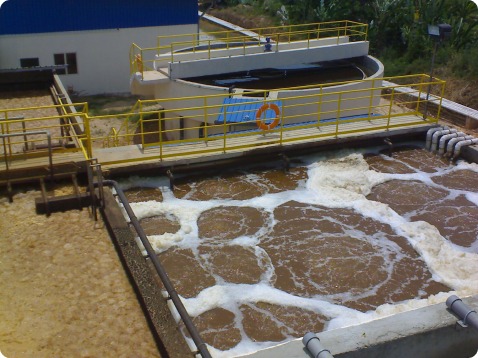
Leachate Treatment Technologies
Various treatment methods are employed depending on local regulations and the specific characteristics of the leachate:
- Biological treatment: Uses microorganisms to break down organic compounds
- Chemical treatment: Employs coagulation, flocculation, and oxidation processes
- Membrane filtration: Removes suspended solids and some dissolved contaminants
- Reverse osmosis: Provides advanced treatment for highly contaminated leachate
- Evaporation or deep-well injection: Disposal methods used in some regions
Waste Minimization and Source Reduction
The most effective approach to leachate problems begins with waste prevention:
- Reducing overall waste generation
- Banning hazardous materials from landfills
- Implementing composting and recycling programs
- Encouraging industrial waste reduction
The Future of Waste Management and Leachate Control
As awareness of leachate’s dangers grows, the waste management industry continues to innovate:
Circular Economy Approaches
Moving toward a circular economy—where waste is viewed as a resource rather than a disposal problem—can dramatically reduce the volume of waste entering landfills, thereby reducing leachate generation.
Advanced Technologies
Emerging technologies offer promise for improved leachate management:
- Real-time monitoring systems using IoT sensors
- Plasma gasification and other advanced waste processing methods
- Engineered bioremediation techniques
- Nanotechnology-based filtration systems
Policy and Regulation
Stricter regulations in many countries are pushing waste management facilities toward better practices, including mandatory leachate monitoring and treatment standards.
What Communities and Individuals Can Do
Everyone has a role to play in addressing waste management challenges and reducing leachate risks:
- Reduce waste generation through mindful consumption
- Properly dispose of hazardous materials at designated collection centers, not in regular trash
- Support local recycling and composting programs
- Advocate for stronger waste management regulations in your community
- Stay informed about local waste disposal sites and their environmental practices
- Support businesses that prioritize waste reduction and sustainable practices
Conclusion
Leachate represents one of the hidden costs of our consumption-based society. Though often invisible and out of mind, this toxic liquid poses genuine threats to our groundwater, surface water, and soil. Proper waste management is not simply about disposing of trash efficiently; it’s about protecting our environment and public health for current and future generations.
Understanding what leachate is and recognizing its dangers is the first step toward supporting better waste management practices. By reducing waste generation, properly managing hazardous materials, and supporting advanced treatment technologies, we can minimize the leachate problem. The challenge is significant, but with informed action and commitment to sustainable practices, communities can implement effective strategies to protect their environmental and water resources.
The future of waste management depends on innovation, regulation, and individual responsibility working in concert. As we face growing waste challenges in an increasingly populated world, our approach to leachate—and to waste management as a whole—will play a crucial role in determining the health of our planet.


